
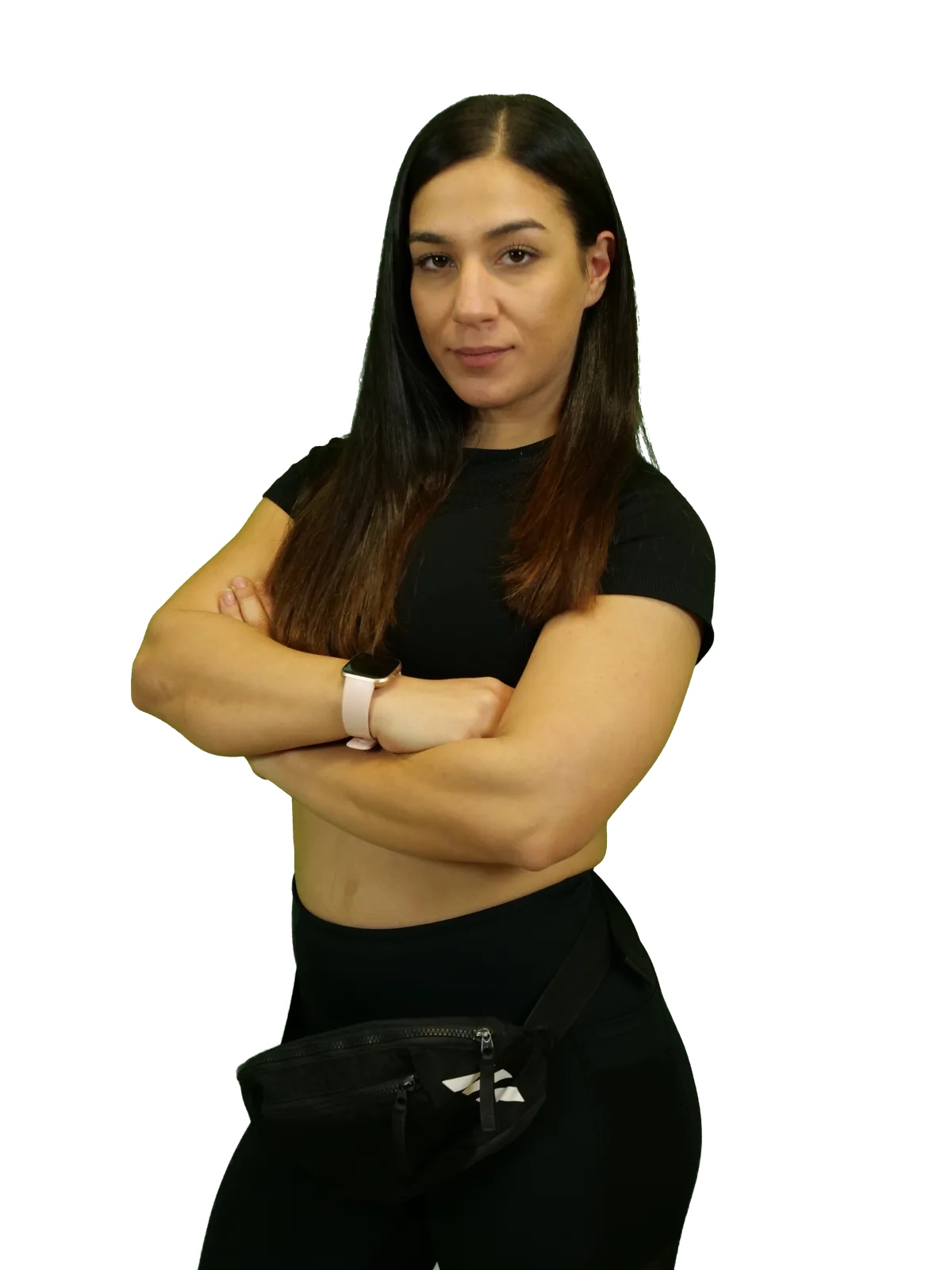
The scale was a hundred
Reaching 100kg was the turning point for me. Not a single dramatic moment. A slow accumulation. Years of not really wanting to know what the number was. Years of telling myself the body I had wasn’t really mine — it was just temporarily wearing me.
The day I decided to do something about it, the doing-something part wasn’t lose weight first. It was understand what I’d actually been eating. I’d been a smart person making nutrition choices the way most smart people do: I’d read magazine articles, listened to podcasts, tried different things, and ended up genuinely confused about what was true.
That confusion is, I think, the central problem of modern nutrition. There’s so much information that it’s effectively the same as no information. You can find a credible-sounding source for any position. Carbs are bad. Carbs are essential. Eat six meals a day. Eat once. Fasting fixes everything. Fasting destroys metabolism. You end up not knowing what to do.
The decision to study it properly
I decided to study dietetics properly at the University of Malta. Not as a side interest. As an actual qualification. I wanted to know what the research said, where the controversies actually were, and what the genuine clinical consensus was. I wanted to be able to read the underlying papers, not just the influencer summaries.
Going back to university in my twenties as someone who was visibly carrying the problem I was studying was strange. Most of my classmates were younger, slimmer, and approaching dietetics the way you’d approach any health science — academically curious, personally unaffected. I was personally very affected. It changed how I read every paper. It changed how I think about every plan I now write.
What I lost — and what I learned was actually the work
I lost the weight slowly over the course of three years. There was no dramatic before-and-after photo. There was a body that, by the end of the degree, fit me. The number on the scale was no longer a daily emergency.
But more important than the weight was what I learned about why the previous attempts hadn’t worked. Three things, in order of importance:
- I had been eating too little protein, consistently, for years. Most women in Malta do. The textbook recommendation of 0.8g per kg bodyweight is a floor for sedentary adults, not a target for someone trying to change their body. Closer to 1.6–2.2g per kg is what the research actually supports for fat loss with muscle preservation.
- I had been calorie-counting in a way that ignored the food itself. Hitting a calorie target on ultra-processed food is not the same as hitting it on real meals. The hunger, the satiety, the energy, the sleep, the skin — all different. The number was the same.
- I had been treating diet and lifestyle as separate. They aren’t. Sleep, stress and movement change what a calorie does in your body. A 1,600-calorie day on five hours of sleep is not the same as a 1,600-calorie day on eight.
Why I write every plan by hand
When a client comes to me now, I sit with them — in person at Tal‑Qroqq, or over a video call if they’re remote — and we have a real conversation. What do you actually eat? When? Who do you cook for? What have you tried before, and why did it fail? What are the meals you genuinely look forward to?
Then I write the plan. By hand. After I’ve thought about it.
I don’t use AI to generate the plan because the inputs an AI can see — a photo of a meal, a list of preferences — aren’t sufficient. The inputs that actually matter (bloods, medications, family history, eating disorder history, the emotional weight of certain foods) require a person and a conversation. The AI in the app helps you log what you ate quickly. That’s useful and I’m glad it’s there. But it doesn’t write the plan.
What I see in clients now
The clients who succeed with me share a few patterns:
- They’re tired of the diet circuit. They’ve tried things. None of them stuck. They’re ready for a plan that’s slower and more permanent.
- They want to understand why. Not just be told what to eat. The understanding is what makes the change durable.
- They tell me the truth. I can only write a plan that fits the life I actually know about. The clients who hide the bad weeks make slower progress.
- They’re patient. Not infinitely patient, but patient enough to give the slow plan six months before judging it.
If you’re at the start of your own version
If you’re reading this from inside the body you don’t want to be in — you’re not broken. The advice you’ve been getting has mostly been wrong. The plan that works is slower and more boring than the ones that are being sold to you. The qualified person you eventually work with should care more about you in five years than about your before-and-after photo this quarter.
I qualified properly because I needed to. The credentials are real because the stakes are. I write every MyPT nutrition plan myself, by hand, because nothing else has ever worked for me — and I want to give my clients the version of the plan I wish someone had given me.